Building Synthetic Roof Covering vs Conventional Products in the Midwest
Anyone that has actually invested a few years watching roofs age in the Midwest finds out promptly that this area is unrelenting. A roofing system below does not face one climate. It deals with all of them. January can bring ice dams, wind chill, and hefty snow sitting on the eaves for days. April usually supplies freeze-thaw swings and difficult rainfall. Summer cooks dark surface areas under solid UV exposure, then rolls in hail and straight-line winds. Fall goes down leaves right into valleys and seamless gutters, trapping dampness where weak materials begin to fail.
That environment reality is the real backdrop for the discussion around architectural artificial roof covering versus conventional products. Homeowners are no more choosing solely on look or initial price. They are considering weight, weather condition performance, maintenance cycles, installation intricacy, and how well a roof will certainly still take care of 10 or twenty Chicago-area winter seasons. In higher-end communities, that discussion gets back at extra specific. People desire the visual splendor of slate, cedar shake, or ceramic tile, but they likewise desire a system that does not penalize them with constant upkeep.
The surge of costs artificial roofing is not a craze. It is a response to practical problems that conventional roofing materials have actually constantly had, especially in the Midwest.
What "building artificial roofing" actually means
The term obtains used loosely, so it helps to define it. Architectural artificial roof covering usually refers to crafted roofing products made to duplicate the look of all-natural slate, cedar shake, or clay tile while boosting influence resistance, lowering weight, and streamlining installment. Relying on the manufacturer, these products might be made from advanced polymers, recycled composite blends, or various other crafted materials.
Not all artificial roof coverings are developed equivalent. Some are clearly entry-level options meant to hit a rate point. Others are true premium artificial roof products with deep profiles, shaped structure, custom shade mixing, and accessory pieces that produce an ended up, persuading roofline. The difference issues. A deal artificial shingle may look flat and repeated from the street. A well-crafted architectural item can mislead the majority of people up until they are standing a couple of feet away.
In functional terms, the most effective architectural artificial roofing systems intend to solve a challenging equation. They attempt to maintain the aesthetic appeal of tradition materials while decreasing several of the responsibilities that include them.
Why the Midwest alters the equation
A roof material that does well in a dry, pleasant climate may disappoint badly in Illinois, Wisconsin, Indiana, or Michigan. The Midwest exposes weaknesses fast.
Natural cedar, for example, can be beautiful. Fresh cedar shake has warmth and deepness that property owners love. However on homes shaded by mature trees, particularly near the lakeshore or in well established suburban lots, moisture retention comes to be a significant issue. Shakes can cup, split, darken erratically, and invite moss or algae development. That does not imply cedar is a poor item. It suggests cedar demands the right atmosphere and attentive upkeep, which not every homeowner is prepared to provide.
Natural slate is an additional instance. Properly sourced https://remingtonwpmk755.summitviewdaily.com/posts/how-premium-synthetic-roof-covering-expands-roof-life-in-harsh-climates and mounted slate can last a long time. It carries unmatched prestige. Yet slate is hefty, weak under foot traffic, pricey to repair, and unforgiving of installment blunders. In the Midwest, where roofing substitute frequently follows storm occasions and insurance coverage timelines, searching for crews with true slate proficiency can be challenging. One misplaced step on a cool morning can fracture items that after that need customized replacement.
Asphalt roof shingles, the default selection across much of the area, solve several of these issues however introduce others. They are accessible and familiar, and a quality building asphalt roof shingles remains a reasonable roofing system for lots of homes. Still, Midwest hailstorm, granular loss, thermal biking, and wind direct exposure can shorten real-life performance compared to what homeowners expect when they hear a lengthy guarantee term.
That is why household synthetic roofing has carved out an expanding location on the market. It sits between desire and practicality.
How synthetic roof compares to asphalt, cedar, slate, and tile
The strongest situation for artificial roof covering shingles is not that they defeat every traditional product in every group. They do not. The situation is that they often perform far better across the classifications that matter most to Midwest homeowners.
Asphalt tiles still win on entry cost. If spending plan is the initial and overriding concern, asphalt remains one of the most typical response. A home owner replacing a regular suburban roofing system after storm damage can typically keep expenses within an acquainted range with laminated tiles. But the long-lasting picture can change if repeated repairs, shorter service life, or visual restrictions matter.
Cedar supplies appeal that is difficult to fake when it is brand-new. On historic homes and particular building designs, it looks exactly ideal. Yet its upkeep problem is real. In areas with heavy tree cover, I have actually seen cedar roof coverings begin showing uneven wear well before proprietors expected it. As soon as splitting and wetness cycling accelerate, the roof can go from "weathered and good-looking" to "weary and at risk" faster than many people are ready for.
Slate is still the benchmark for status, yet it brings architectural and logistical factors to consider. Some homes need reinforcement to support it. Repair work needs skilled hands. Blinking information become crucial. The material itself can outlive several various other elements of your house, however only if the entire system is treated with that said same level of care.
Clay and concrete tile are less usual in the top Midwest than in warmer areas, partially because of design fit and partly due to the fact that freeze-thaw problems can be punishing. Floor tile likewise includes weight and complexity, and it does not make good sense on every roof structure.
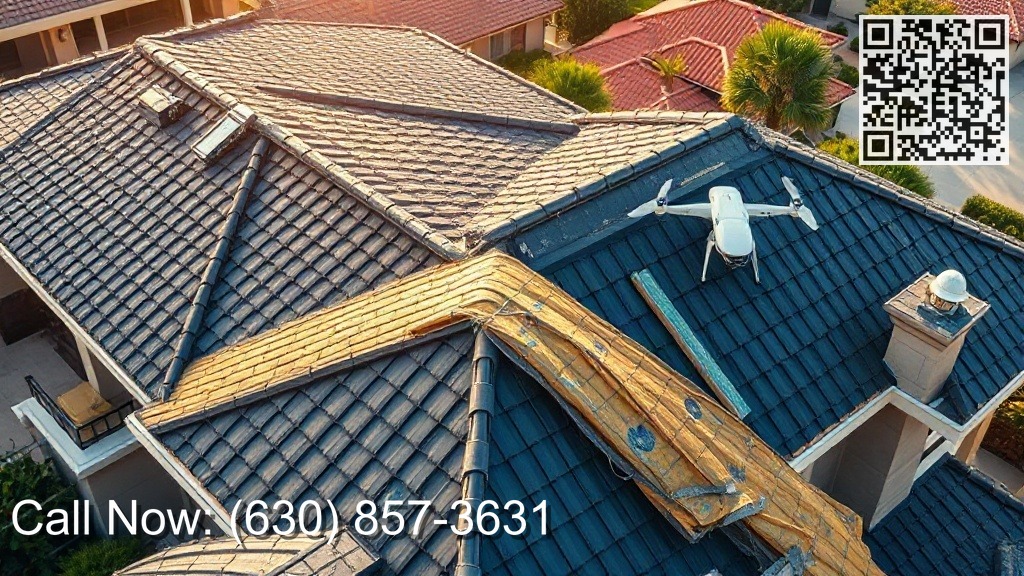
Architectural artificial roofing gets in that mix as a lower-weight, frequently impact-rated alternative that can resemble slate or drink convincingly while enduring Midwest weather much better than lots of proprietors anticipate. A well-chosen artificial roofing system substitute can give the visual declaration of a luxury roofing system without compeling the home to bring the structural lots or the same upkeep needs of natural materials.
Appearance, and the question property owners rarely ask correctly
Most individuals ask whether synthetic roof covering looks "actual." That is understandable, yet it is not quite the right question. The much better concern is whether it looks ideal on the house.
A terrific roof is not just an isolated item. It has to fit the scale, architecture, house siding appearance, masonry shade, home window trim, and also the profile of the rain gutters and blinking. Some artificial products have hefty darkness lines and differed widths that suit a Tudor, French nation, or lakefront custom home perfectly. Others look too consistent for a high-end build and can really cheapen the exterior if the pattern repeats too obviously.
This is especially important with synthetic roof for high-end homes. Purchasers at the top of the market notice information. They might not determine the supplier from the driveway, yet they can inform when a roofing feels level, glossy, or disproportionate. The best premium synthetic roof items prevent that trouble by blending widths, shocking discloses, and using blended pigmentation that appears like all-natural aging instead of a factory-printed monotone.
In locations such as Naperville, Hinsdale, Lake Woodland, and parts of the North Shore, roof covering option frequently intersects with style testimonial requirements, neighborhood assumptions, and resale positioning. A house owner searching for synthetic roof Naperville IL is typically not searching for the least expensive roof readily available. They are searching for the best aesthetic outcome with less migraines over time.
Weight matters greater than many individuals realize
Structural load is not an extravagant subject, but it drives many roof decisions behind the scenes. Natural slate and ceramic tile can consider numerous times more than asphalt or many artificial alternatives. On a new custom construct, an architect and designer can prepare for that from day one. On an existing home, the tale is different.
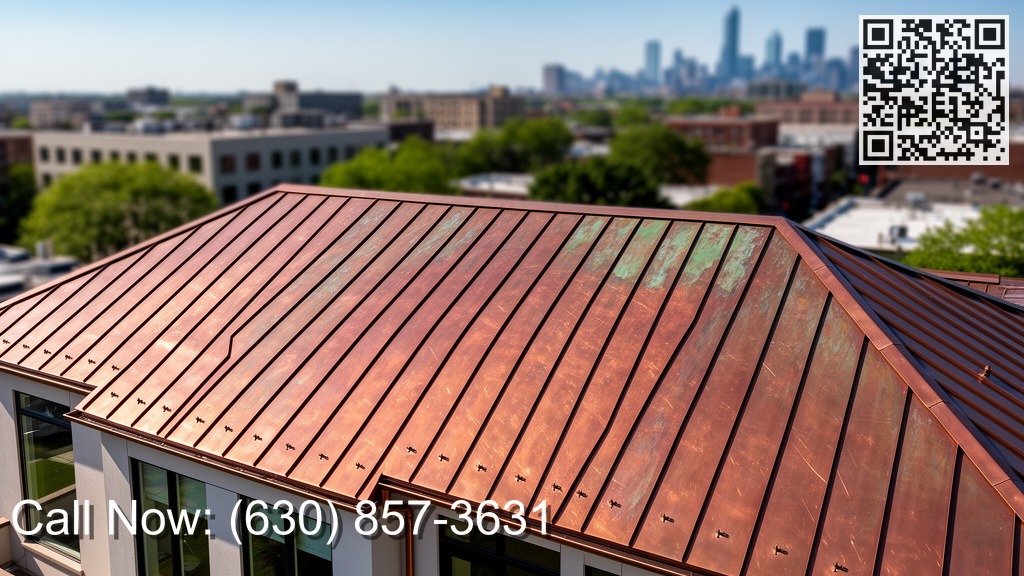
I have seen property owners fall for the look of slate, only to find out that bringing their mounting up to the needed capability would include a considerable cost before a single roof covering ceramic tile was set up. That type of discovery can derail a task fast. Artificial roof commonly maintain the wanted look while preventing support work.
Lower weight also aids in subtler methods. It can minimize tension on older framing participants, streamline staging and handling on site, and ensure roofing system designs more functional to perform. It does not eliminate the demand for experienced labor, however it expands what is possible on an existing Midwest home.
Hail, wind, and effect resistance
This is where synthetic roofing systems typically earn their keep. In the Midwest, storm efficiency is not academic. Hailstorm cases are common sufficient that home owners and insurance providers both pay attention to influence resistance ratings.
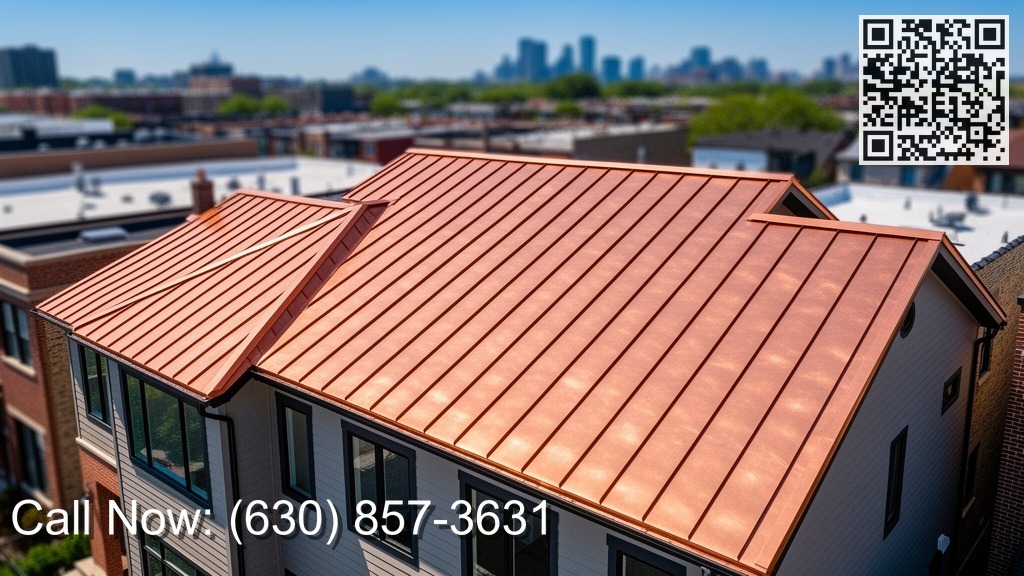
Many premium synthetic roof products are crafted to achieve high influence resistance, typically far better than natural slate or cedar, which can break, split, or swelling under hail. That does not imply an artificial roofing system is unbreakable. Huge sufficient hail can harm almost anything. But on balance, well-made synthetic materials often tend to take in effect extra forgivingly than brittle natural products.
Wind performance is also significant in open suv advancements and on homes near areas, golf links, or lakefront direct exposures. Standard materials can fail at fasteners, edges, or private items when uplift forces locate a weak point. An effectively developed synthetic roof covering installation, coupled with the correct underlayment and accessory parts, can perform extremely well in those conditions.
The catch is "appropriately created." A costs item mounted carelessly will not meet its promise. That is why the choice of synthetic roofer matters virtually as high as the product itself.
Installation quality is not a side issue
Homeowners often shop roof covering products as if installation were interchangeable. It is not. A synthetic roof business that understands the line of product, local code needs, incline transitions, ventilation, blinking details, snow and ice patterns, and manufacturer-specific devices will certainly generate a markedly various outcome than a crew attempting the material for the 2nd or 3rd time.
This shows up usually in artificial roof covering Chicago jobs. Chicago and the surrounding suburban areas have a substantial series of real estate supply, from small bungalows to steep-roofed historical homes to large custom-made houses with complex valleys, dormers, and converging roofing system planes. Synthetic materials can handle that range well, but just if format and detailing are done thoughtfully.
A knowledgeable artificial roofer Chicagoland home owners depend on will generally start by looking beyond the surface product. They review attic room ventilation, deck problem, blinking at masonry changes, rain gutter technique, ice-and-water protection, and whether snow guards or details device pieces make sense. They also take notice of aesthetic details. Direct exposure lines, starter positioning, ridge therapy, and shade selection can make the distinction in between a roof that looks refined and one that simply looks expensive.
When individuals employ synthetic roofing installers based just on the most affordable proposal, problems often tend to show up in the details first. Misaligned training courses, awkward valley shifts, low-cost blinking metals, and inconsistent fastening patterns have a means of appearing within a few seasons.
Maintenance truths over time
One of the greatest debates for synthetic roofing substitute is reduced maintenance compared with all-natural cedar or slate. That disagreement is generally reasonable, however it must be mentioned carefully.
Synthetic roofings are reduced upkeep, not no upkeep. Gutters still require cleaning. Valleys still accumulate debris. Flashings still are entitled to routine inspection. Sealers around associated roof covering penetrations will certainly not last for life even if the area material is artificial. Branches scratching the roofing system can still create aesthetic wear. Ice dam concerns can still create if the attic room is improperly insulated and ventilated.
What modifications is the vulnerability of the area material itself. An artificial slate or drink product is normally less likely to divide, rot, peel, or split under ordinary seasonal tension than natural timber or rock choices. For several property owners, that lower upkeep account is the factor. They desire the building look without having to baby the roof.
Cost, and where people commonly misread value
It is easy to compare roofing system proposals by taking a look at the total at the end of the web page. It is harder, and more useful, to contrast value over twenty or thirty years.
Synthetic roof coverings typically set you back a lot more in advance than common asphalt roof shingles. They normally set you back less than top-tier natural slate or high-end cedar installations, particularly when you consider architectural reinforcement, specialty labor, and lasting maintenance. That puts building artificial roof covering in a middle-to-upper rate that interest property owners intending to stay, preserve aesthetics, and minimize lifecycle headaches.
The mistake I see usually is dealing with every artificial option as if it belongs in the same bucket. It does not. There is a genuine spread in product high quality, density, realistic look, service warranty terms, and accessory completeness. Some suppliers offer durable system-based bundles. Others primarily supply area roof shingles and leave installers to improvise side and detail conditions. That can influence both appearance and durability.
For a home owner contrasting propositions, one of the most beneficial inquiries generally involve the whole system, not just the visible shingle or tile.
- What underlayment bundle is included, particularly at eaves, valleys, and penetrations?
- Are flashings being replaced entirely, or reused where convenient?
- Does the installer have meaningful experience with this certain artificial product?
- Are ridge, hip, and starter accessories matched to the system?
- How will ventilation be dealt with as component of the replacement?
Those answers often expose extra concerning lasting worth than the material label alone.
Where standard products still make sense
It would slouch to pretend artificial roof coverings are always the most effective response. They are not.
For a stringent historical reconstruction, all-natural materials may be needed or merely more appropriate. Some landmarked homes should have real slate or cedar because that belongs to their architectural identity. In other situations, a home owner might genuinely value the aging and aging attributes of natural materials, even knowing the extra upkeep they bring.
Budget additionally matters. If a family needs a reputable roof at the most manageable ahead of time price, a well-installed asphalt system might be the most logical choice. There is nothing inherently incorrect keeping that. Roofing decisions need to fit both your home and the homeowner's priorities.
There are also design restrictions. Some homes do not benefit from an artificial slate or drink profile due to the fact that their style is as well ordinary, as well low-pitched, or as well moderate in scale for that product language to look all-natural. A roofing system should boost your home, not costume it.
Where artificial roofing often tends to shine
The toughest prospects for residential synthetic roofing are homes where appearance issues, tornados are a worry, and the proprietor desires a longer-term product without the weight and upkeep of standard deluxe products.
That usually consists of custom homes, upper-end suv residences, remodelled historic-looking residential or commercial properties, and houses with complex roofing system geometry where cedar or slate would certainly drive costs sharply higher. It also includes house owners who have currently endured the drawback of one more material. Somebody who has actually replaced storm-damaged asphalt twice in fifteen years, or invested years preserving an aging cedar roof, often tends to understand the appeal quickly.
In the Chicago region, synthetic roofing systems have actually located a specifically good fit on homes that desire the visual personality of quaint products while standing up better to hail, wind, and winter season moisture. That holds true from city communities with masonry-heavy design to western suburbs where big homes rest revealed to weather throughout open lots.
Choosing the appropriate service provider in the Midwest
The material choice and the contractor decision ought to occur with each other. A terrific product on the incorrect residence, or in the wrong hands, can dissatisfy. A thoughtful contractor narrows that threat by matching product, incline, blinking method, ventilation, and visual details to the actual property.
A qualified artificial professional roofer ought to have the ability to describe why one item is a much better fit than another without slipping into sales clichés. They ought to speak comfortably regarding freeze-thaw problems, ice defense, attic air flow, ridge information, snow losing actions, and service years in the future. They ought to also have a portfolio with homes similar to yours, not simply common supplier photos.
For homeowners comparing a synthetic roof business against typical roofing contractors that only periodically set up synthetics, experience matters. This category of roof covering is mature sufficient since there is no factor to accept on-the-job experimentation.
The Midwest verdict
Architectural synthetic roof covering has actually gained its place due to the fact that it responds to a real regional requirement. It provides home owners a way to catch the deepness and difference of slate, shake, or ceramic tile looks without soaking up every downside those products can lug in a Midwest climate. It is not the most inexpensive path, and it is not constantly the most historically genuine route. However it is usually the most balanced one.
For several homes, particularly those seeking premium curb charm and sensible toughness, synthetic roof coverings provide a compelling middle course. They reduce weight, often boost effect resistance, and reduced regular upkeep while protecting a high-end architectural appearance. When coupled with a strong style fit and a disciplined synthetic roofing system installment, the result can be a roof that feels both substantial and sensible.
That balance is what makes synthetic roof covering Chicago home owners increasingly request for, and what keeps it growing throughout the broader region. In an environment that exposes every weakness eventually, balance issues. A roofing needs to look right, but it likewise needs to keep verifying itself after the novelty is gone, after the storms come through, and after another winter months settles over the Midwest.
When Quality Matters
Salvo Architectural Roofing Contractors
566 West 5th Ave Naperville, IL 60563
(630) 857-3631
 Ask ChatGPT
 Ask Grok
 Ask Perplexity
 Ask Claude
 Ask Google AI
 Ask You